



Thinking about switching your cat to raw food? You're not alone. More and more cat owners are discovering the benefits of raw feeding cats, but if you're new to this, it can feel a bit overwhelming.
The good news? It's easier than you think. And we're here to walk you through it.
Whether you're dealing with a fussy eater, curious about health benefits, or just want what's best for your furry friend, this guide will give you everything you need to know before making the switch.
Let's dive in.
1. Your Cat Is a Born Carnivore
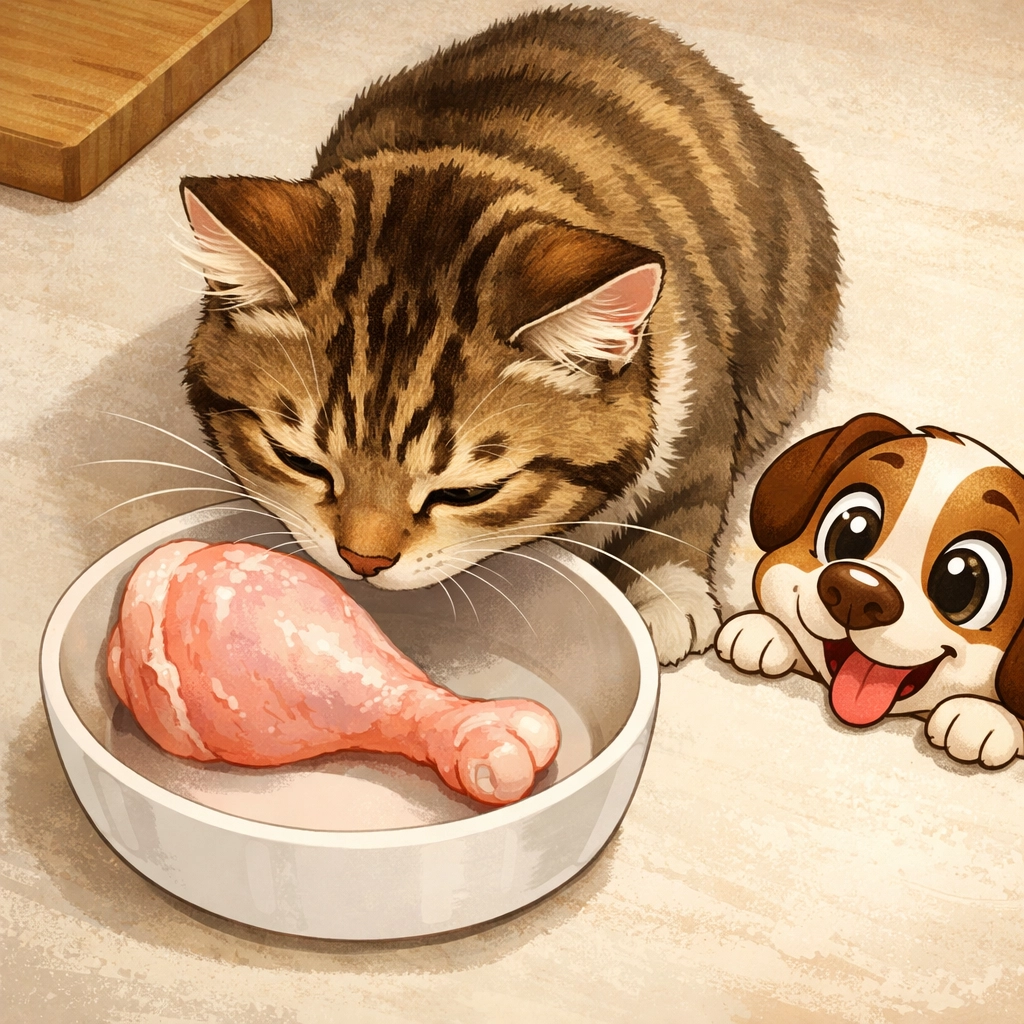
Here's the thing: cats are obligate carnivores. That means they're biologically designed to eat meat, and lots of it.
In the wild, cats hunt and consume raw prey: muscle meat, organs, bones, the works. Their digestive systems are short and acidic, perfectly adapted for breaking down raw protein and fat quickly.
Raw feeding cats simply mimics what nature intended. It's not a trend or a fad, it's getting back to basics.
2. Yes, Your Fussy Cat Will (Probably) Love It
We've all been there. You buy a fancy new food, and your cat sniffs it, gives you that look, and walks away.
But here's something that might surprise you: over 75% of our customers reorder. That's right, even the fussiest cats come around to raw food once they give it a try.
Why? Because raw food smells and tastes like actual food to a cat. It's not processed, flavoured, or artificially enhanced. It's just pure, real meat.
Start slow (more on that in a sec), and chances are, your feline friend will become a raw food convert.
3. Shinier Coats & More Energy Are Real
This isn't just marketing talk, raw feeding cats really does make a visible difference.
Owners regularly report:
- Shinier, softer coats (thanks to the natural oils and fats)
- More energy and playfulness
- Cleaner teeth and better breath
- Smaller, less smelly poos (always a win)
The natural fats in raw meat promote healthy fur and skin. No more endless shedding or dull coats. Your cat will look, and feel, like the majestic little predator they were meant to be.
4. Let's Talk Bacteria (But Not Panic)
Okay, deep breath. Yes, raw meat can carry bacteria like Salmonella and E. coli. It's a legitimate concern, and we're not going to sugarcoat it.
But here's the reassuring bit: cats have incredibly acidic stomachs that are designed to handle bacteria that would make us humans seriously ill. Their digestive systems are built for this.
The real risk? Humans handling the food improperly.
That's why hygiene matters (we'll cover that in point #7). With sensible handling and storage, raw feeding is perfectly safe for both you and your cat.
Think about it: you handle raw chicken when you cook dinner, right? Same rules apply here.
5. Balance Matters More Than You Think
Here's where things get important: not all raw food is created equal.
Cats need specific nutrients in precise amounts. Too little calcium? Skeletal issues. Too much vitamin A? Toxicity. It's a delicate balance.
This is why we formulate our raw cat food to be nutritionally complete. We've done the hard work so you don't have to worry about whether your cat is getting the right ratios of meat, bone, and organ.
Home-prepared diets can work: but they require serious planning and often veterinary nutritionist input. If you're new to raw feeding cats, starting with a balanced, complete option is your safest bet.
6. The Gradual Switch Works Best
Don't just chuck out the kibble and go cold turkey (pun intended).
Cats are creatures of habit, and sudden diet changes can lead to tummy upsets: or flat-out refusal to eat.
Here's the transition plan that works:
- Week 1: Mix 25% raw with 75% current food
- Week 2: Go 50/50
- Week 3: Up it to 75% raw, 25% old food
- Week 4: 100% raw
Some cats will switch faster. Others need more time. Let your cat set the pace, and don't stress if they're a bit stubborn at first.
7. Hygiene Becomes Your New BFF
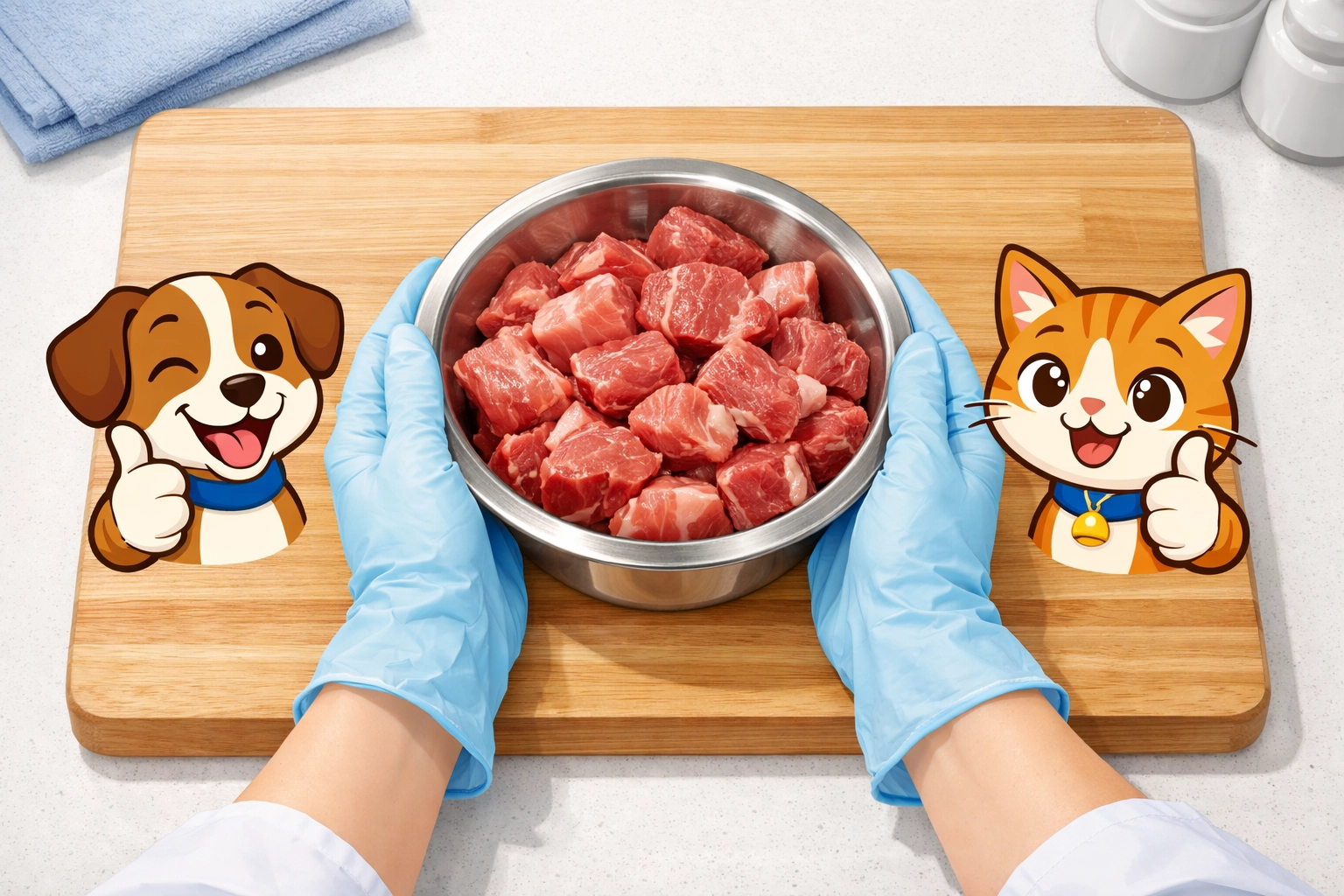
Raw meat needs respect. Simple as that.
Follow these golden rules:
- Defrost in the fridge, never on the counter
- Wash your hands before and after handling
- Use separate bowls and utensils for raw food
- Don't leave raw food out for more than an hour
- Clean feeding areas thoroughly
It sounds like a lot, but once you've done it a few times, it becomes second nature. Just treat it like handling raw meat for your own cooking, and you'll be fine.
8. Human Grade Ingredients = Peace of Mind
Here's something that should matter to you: the quality of the ingredients going into your cat's bowl.
At Hear Me Raw, we use human grade ingredients in all our recipes. That means meat that's fit for human consumption: ethically sourced, free range, and traceable.
No mystery meat. No low-quality offcuts. Just real, honest food.
When you're raw feeding cats, quality isn't a luxury: it's essential. Your cat deserves ingredients you'd be happy to eat yourself (even if you'd probably skip the liver).
9. Watch Out for Raw Fish
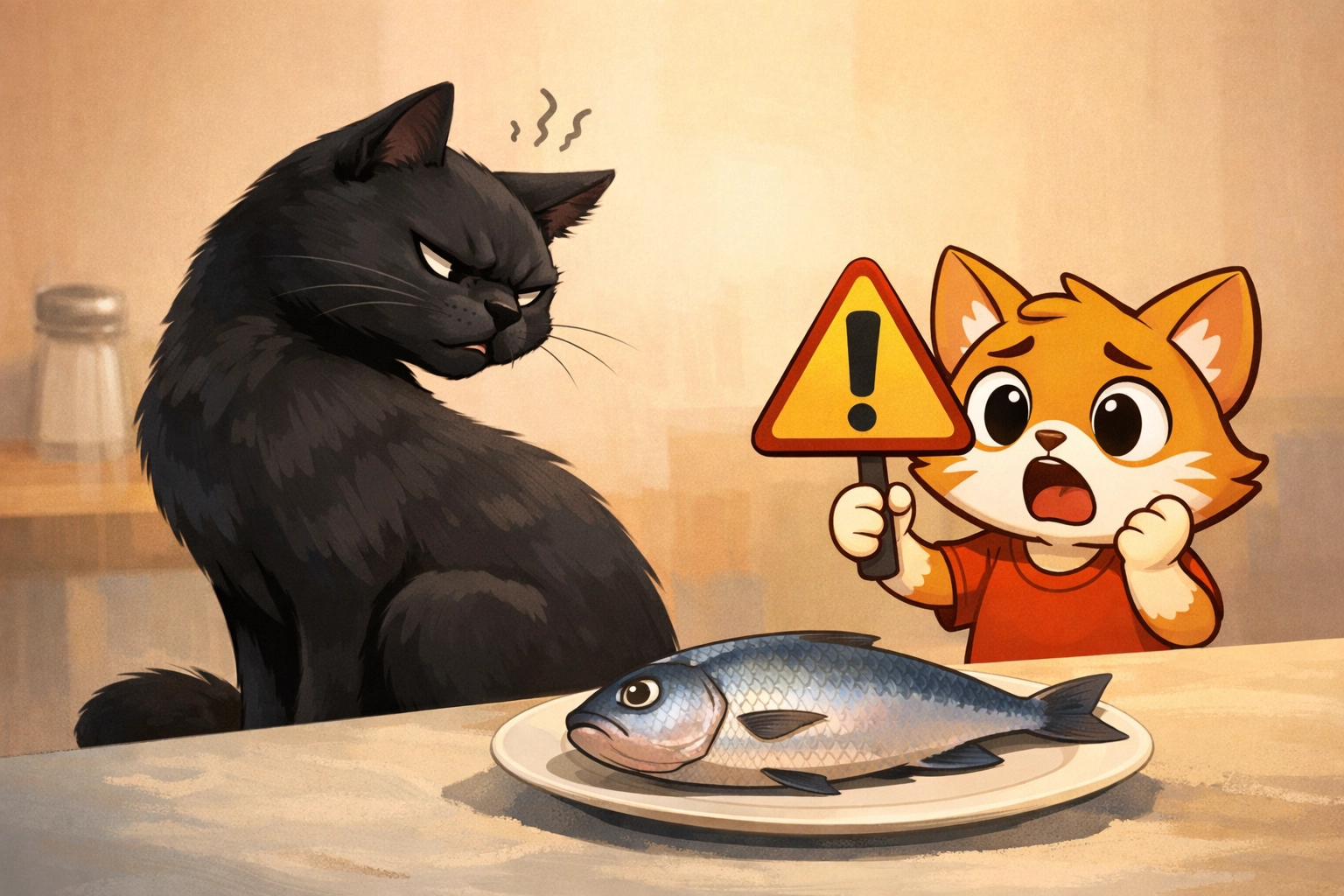
Quick warning: while cats famously love fish, raw seafood comes with a hidden risk.
Raw fish contains an enzyme called thiaminase, which breaks down thiamine (vitamin B1). If your cat eats too much raw fish, they can develop a thiamine deficiency: leading to appetite loss, seizures, or worse.
Cooked fish is fine in moderation. But if you're raw feeding, stick to meat-based proteins as the foundation of your cat's diet.
A little variety is great, but fish shouldn't be the main event.
10. Your Vet Should Be In the Loop
Before you make the switch, have a chat with your vet: especially if your cat has existing health conditions, is on medication, or is very young or old.
Most vets will appreciate that you're doing your research and thinking carefully about your cat's nutrition. Some may be cautious about raw feeding (it's still relatively new in mainstream veterinary advice), but a good vet will work with you to make sure your cat stays healthy.
If your current vet is totally opposed without discussing it, it might be worth getting a second opinion from a more holistic or nutrition-focused practice.
Ready to Give Raw Feeding a Go?
Look, we get it. Switching to raw food feels like a big step.
But thousands of cat owners have made the switch and never looked back. Their cats are healthier, happier, and thriving on a diet that actually makes biological sense.
And you're not alone in this. We're here to support you every step of the way: whether you need advice on transitioning, help choosing the right products, or just a bit of reassurance that you're doing the right thing.
Want to explore our range of raw cat food? Check out our shop and see what catches your (and your cat's) eye.
Your fussy feline might just surprise you. 🐾